


Kokedamas
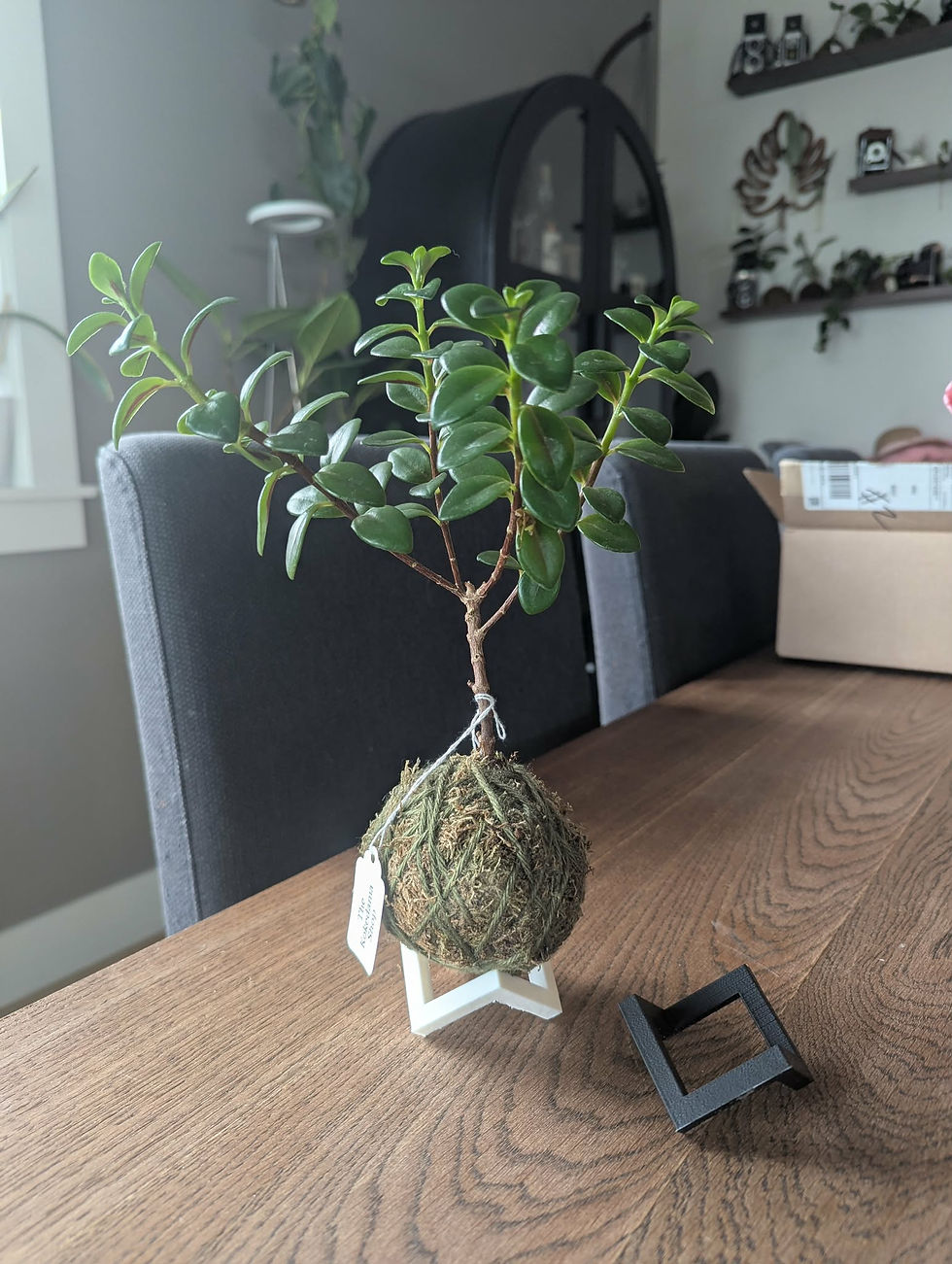
A kokedama is a minimalist, Japanese-style plant arrangement where the plants roots are wrapped in a ball of soil and covered in moss instead of being placed in a traditional pot.
**Every kokedama comes with its own personalized care so you can confidently give your plant the best care. I source all plants from local Idaho nurseries, so when you purchase from The Kokedama Shop, you’re not only supporting a small business—you’re also supporting local growers.**
Base Holders/ Hangers






FAQ
What is a Kokedama?
Kokedama, which comes from Japanese gardening traditions, is a unique plant display where the roots are wrapped in a ball of soil and moss. The word breaks down into koke (moss) and dama (ball). These moss balls can hold a wide range of plant types and can be hung with string or displayed on a surface. Their minimalist, organic look draws inspiration from the art of Bonsai and brings a natural, sculptural element into your space.
What materials are used to make a Kokedama?
Each Kokedama is crafted using simple, natural materials: mixed soil, moss, twine, and the plant itself. The soil and roots are formed into a sphere, wrapped in moist moss, and secured with string—typically in a crisscross pattern—to hold everything neatly in place.
How do you water a Kokedama?
The most effective way to water your Kokedama is by soaking it. Submerge the entire moss ball in room-temperature water for about 5 - 10 minutes, then place it on a dish or pot to drip dry completely. Water again only once the moss feels dry and the ball feels light. It also depends on your plant and what they like. For instance succulents will need to be watered less than a normal household plant, and then there are some plants that don’t like their soil mixed and prefer just a little bit of water.
How long will a Kokedama last?
With proper care, your Kokedama can last between 2 - 3 years. Eventually, the roots may outgrow the moss ball. At that point, you can either reshape it with fresh soil and moss or repot it if the plant needs more room to thrive.
Can I transfer my Kokedama to a regular pot?
Yes! If you’d prefer to grow your plant in a traditional pot, simply remove the moss and twine, then gently replant it in soil. Be sure to adjust watering and placement according to the plant's needs in its new container.
Which plants are best for Kokedama?
While many plants can be used, the best choices are low-maintenance plants that do well with moderate moisture and indirect light. These types tend to thrive in the airy, semi-dry environment the moss ball creates.
What if my Kokedama starts to outgrow the moss ball?
If your plant’s roots start pushing through the moss or the ball begins to lose shape (usually after 2 - 3 years) it’s a sign of healthy growth. You can either trim the roots as a temporary fix or fully rewrap it with new moss and soil. Rewrapping is the better long-term solution, but you can also transfer your plant to a pot.
Where should I display my Kokedama?
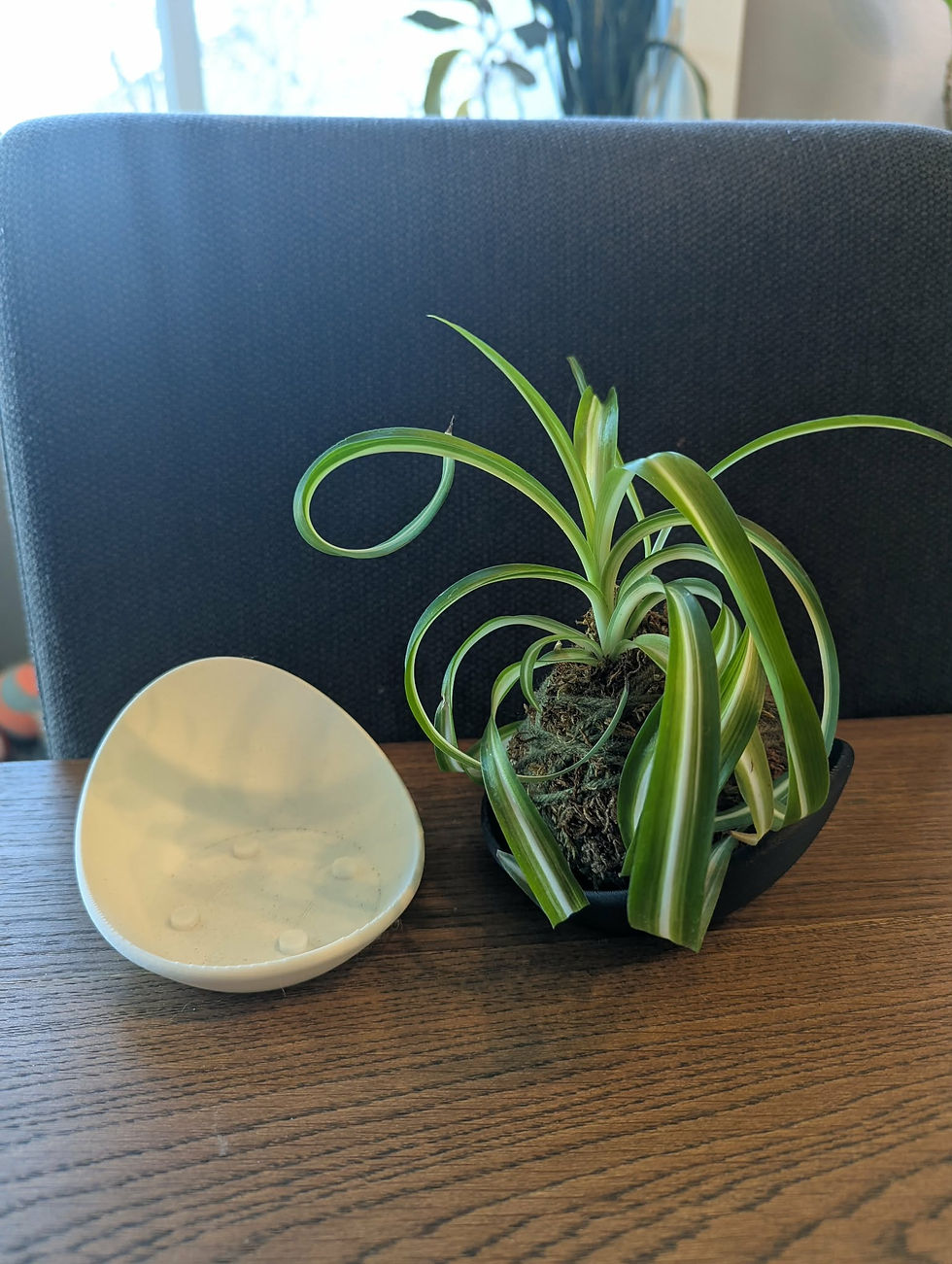
Kokedamas can be hung from the ceiling, set on a tray, placed on a windowsill, or even displayed outdoors. Choose a spot that suits your specific plant’s light requirements. Avoid direct sunlight or very dry areas, as these can cause the moss to dry out quickly. Watch for signs like color change to help you manage watering needs, and avoid placing it near heaters or vents.Most Kokedamas enjoy sitting near or in a windowsill.
What should I do if the twine breaks or becomes loose?
If the twine starts snapping, it’s likely because the roots are expanding and putting pressure on the wrapping. This means it’s time to rewrap your Kokedama to give the plant a fresh, secure home.
How can I keep the moss from turning yellow or brown?
Discoloration usually points to either underwatering or too much direct sunlight. Be sure your Kokedama is watered regularly (only when dry), and placed in a spot with bright but indirect light. Adjust as needed if you notice browning or yellowing moss. Be sure to also pay attention to your plant and their sunlight/ watering needs.
Why does my Kokedama smell bad?
A musty smell often means there’s too much moisture and not enough airflow. Try washing the moss surface gently with a mild antibacterial soap, reduce watering temporarily, and move the plant to a breezier location. Always wait until the moss ball is fully dry before soaking again.
What should I do if mold appears?
Mold can happen when there’s too much moisture and not enough light or airflow. Clean the moldy area gently with diluted antibacterial soap, then place your Kokedama in a well-ventilated spot with some indirect sunlight. Ensuring it dries fully between waterings will help prevent mold from returning.